
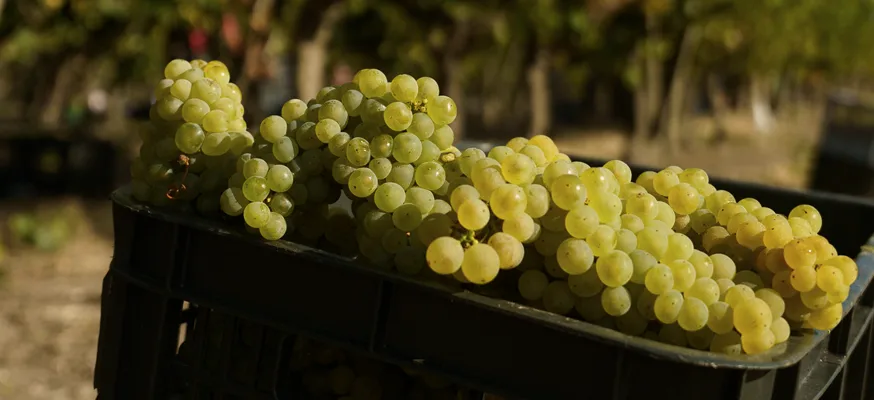
After a cold, dry winter, spring began with normal rainfall, no late frosts and even budbreak with steady growth. From early October to mid-January there was a marked water deficit, with 50% less rain than usual. The drought ended after a week of high temperatures in mid-January that caused some sunburn, followed by significant rainfall.
In January and February it rained 74% above the climate average. This was an added challenge, but it did not stop us from harvesting ripe, healthy grapes. Even in this context, our well-established sustainable grape-growing practices were among the first to be certified by LSQA – LATU and INAVI. The harvest began on February 7 with the first white varieties and ended on March 26. Standouts include the Albariño from Juanicó, with citrus and melon notes, very good structure and crisp acidity, and the Pinot Noir from the same region, very true to type, with red fruit and cherry, good breadth on the palate, soft tannins, juiciness and a wild touch. The Tannat from Progreso also reached great quality, with good energy, a clear aromatic profile, power on the palate and elegance.