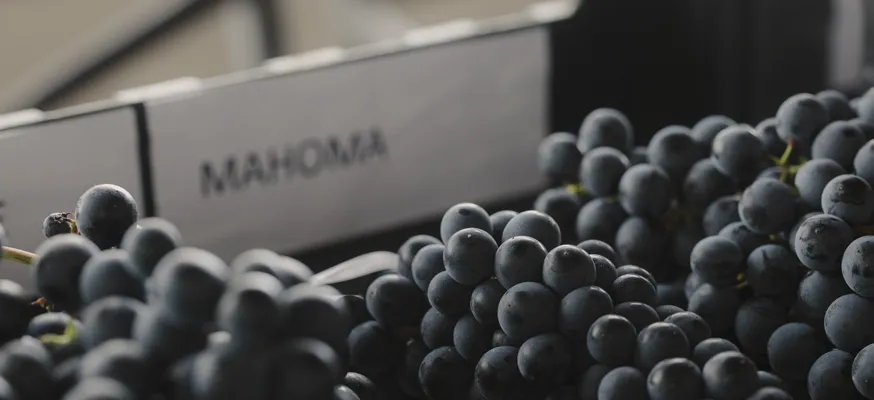
After one of the driest winters on record, with temperatures above normal for the season except for a short, intense cold spell midway through, the vineyard began budding about 10 days earlier than usual. Spring, with rising temperatures and rainfall 38% below normal, allowed even, steady budbreak, which is very important for achieving the balance that quality demands. There were no late frosts or other damaging weather events. Spring rainfall was scarce but sufficient for proper growth and nutrition of the vines. From January, when no rain fell, drought set in again, causing moderate water stress at the start of ripening. This favorable water status lasted until the end of the harvest, since the rains in February and March were just enough to keep dehydration from reaching harmful levels without being excessive. No irrigation was needed during the whole period. The harvest began on February 3, just 3 days later than usual, a lag that lasted until the end of picking. Volume and quality were similar to the previous year, with high potential alcohol, intense colors and aromatic concentration.