
Winter rainfall was 26% below average, which meant poor recharge of soil water. Even so, the water reserve was enough for budbreak to begin evenly, though somewhat earlier than in previous years.
This drought continued through spring, with just 21 mm and 38 mm of rain in September and October respectively.
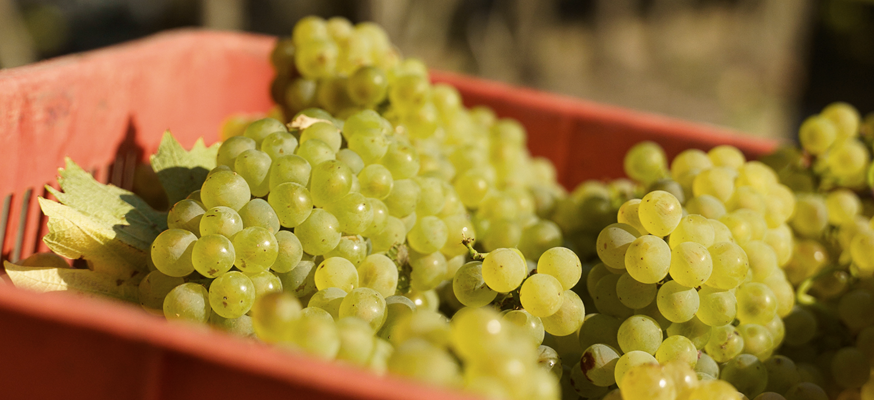
The limited water supply slowed vegetative growth as the soil reserve ran out. During flowering and fruit set, drought conditions intensified, producing very small berries, which improved must quality by increasing the skin-to-pulp ratio while significantly reducing yields. During this growth stage rainfall was 87% below the 20-year average. In December there was hardly any rain (4 mm), which halted growth and significantly increased water stress. The restriction continued through January, when ripening begins, favoring sugar accumulation and the synthesis of polyphenols and aromatic compounds. At the end of January rainfall returned to normal.
In January the average minimum temperature was identical to the recent average, while in February it was one degree Celsius lower (15 °C), providing good conditions for the secondary metabolism that produces anthocyanins and most of the wine’s quality components. The harvest began on February 2 with Sauvignon Blanc and ended on March 10 with Petit Verdot and Cabernet Sauvignon.
Production in kilos was well below normal, with quality levels well above average, especially in Chardonnay, Viognier, Pinot Noir, Merlot, Cabernet Sauvignon and Shiraz. Overall, the balance of acidity, color and tannins made it an exceptional year. The Tannats reached superb balance in the ripeness of pulp, skin and seed, ensuring great age-worthy wines.